- Parc de l'Alliance, Avenue du Japon 1 1420 Braine l'Alleud
- 023860300
- leads@webforce.be

Understanding the psychological triggers behind gambling behavior
Raging Bull Gambling enterprise Australian continent: An entire Book to have Wise People
février 24, 2026Dazzle tres amigos $ 1 hjemmel 2025 Med slot research & fr Instant Xon dukkert blues login play skuespil
février 24, 2026Understanding the psychological triggers behind gambling behavior
Understanding the psychological triggers behind gambling behavior
The Role of Emotion in Gambling
Gambling often evokes strong emotions that can significantly influence a person’s behavior. The thrill of winning can create a rush of euphoria, while the possibility of loss can lead to anxiety and stress. These emotional responses can drive individuals to gamble repeatedly, as they chase the high of a win or attempt to recover from a loss. A popular option among enthusiasts is pin up casino, where the interplay of emotions is a fundamental psychological trigger that compels individuals to engage in gambling activities.
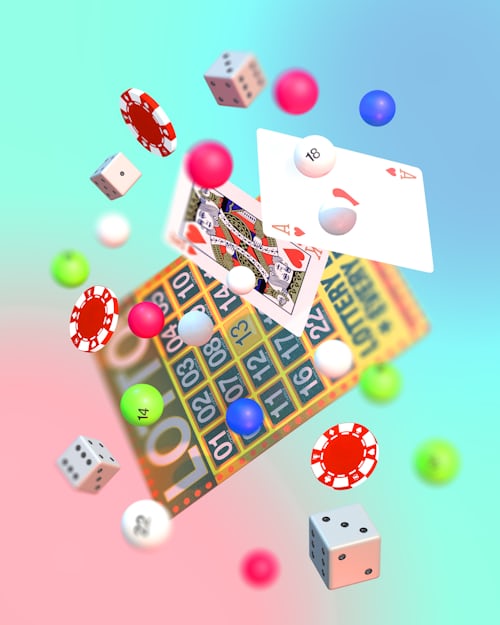
Moreover, emotions such as excitement and hope can cloud judgment, making it difficult for gamblers to recognize when they should stop. The emotional rollercoaster associated with gambling can lead to impulsive decisions and a distorted perception of risk. Understanding these emotional triggers is crucial for anyone seeking to comprehend why individuals become engrossed in gambling behavior.
The Impact of Cognitive Biases
Cognitive biases play a significant role in gambling behavior, often skewing an individual’s perception of odds and outcomes. One common bias is the illusion of control, where gamblers believe they can influence the outcome of random events through skill or strategy. This fallacy can lead them to continue gambling, even when the odds are not in their favor.
Additionally, the gambler’s fallacy can lead individuals to believe that past outcomes affect future results. For example, if a slot machine has not paid out recently, a gambler might assume it is « due » for a win. These cognitive distortions can perpetuate gambling behavior, making it essential for individuals to recognize and challenge their biases to make more informed decisions.
The Influence of Social Factors
Social influences can significantly impact gambling behavior. Peer pressure, social acceptance, and the desire to fit in can push individuals to engage in gambling activities, especially among younger adults. The normalization of gambling in various social contexts can make it appear more acceptable and even desirable, which can further entrench gambling habits.
Furthermore, the role of social networks cannot be overlooked. Individuals who are part of gambling communities may feel compelled to participate to maintain their social ties. This dynamic can create a cycle of gambling behavior that is hard to break, reinforcing the notion that gambling is a socially accepted pastime.
The Role of Rewards and Reinforcement
The structure of rewards in gambling is meticulously designed to create a sense of anticipation and excitement. The intermittent reinforcement schedule, where wins are sporadic and unpredictable, is particularly effective in maintaining engagement. This unpredictability heightens the thrill and can lead to prolonged gambling sessions as individuals hope for the next big win.
This principle of reinforcement is rooted in the brain’s reward circuitry, where dopamine release reinforces the behavior of gambling. Understanding this psychological trigger can help individuals recognize the potential for addiction and the importance of moderation in gambling practices.
Pin Up Casino: A Responsible Gaming Environment
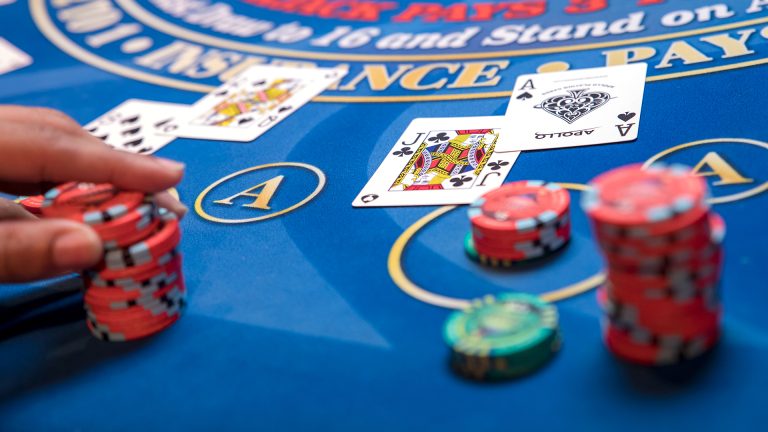
Pin Up Casino is committed to providing a safe and enjoyable gaming experience. The platform offers a wide variety of games, including slots, table games, and live dealer options, all while prioritizing player safety and responsible gambling practices. With user-friendly navigation and enticing promotions, players can explore their favorite games without the pressure of unhealthy gambling behaviors.
By fostering an environment that emphasizes responsible gaming, Pin Up Casino aims to empower its players with the tools and resources they need to enjoy gambling responsibly. Understanding the psychological triggers behind gambling behavior can help players make informed choices, ensuring that their gaming experience remains fun and engaging.
